How to Choose the Best Cool Ebikes for Your Urban Commute?
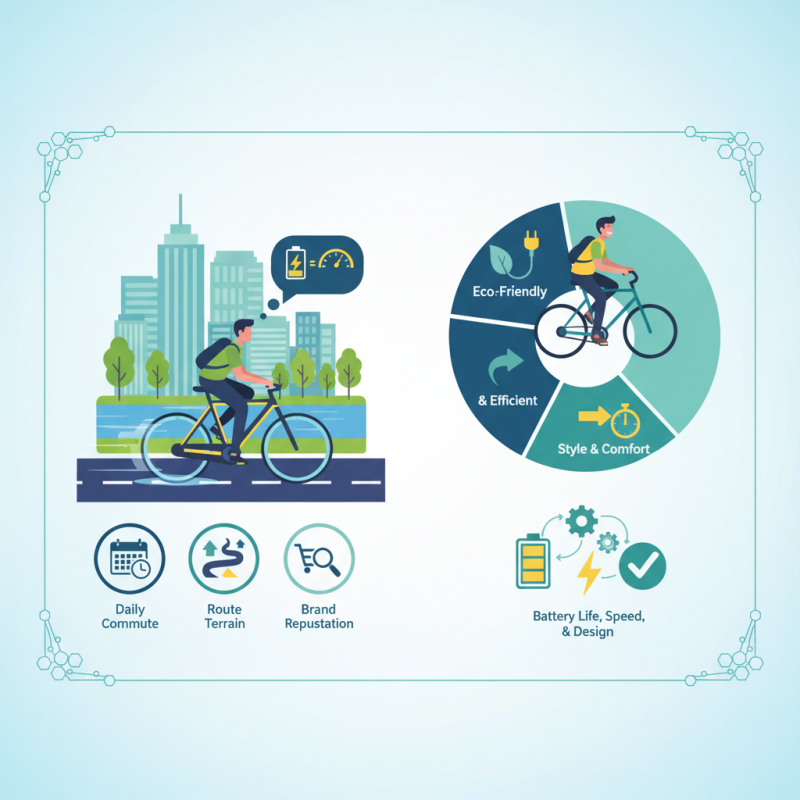
Urban commuting has evolved significantly in recent years. People seek more efficient and eco-friendly options. Cool Ebikes have emerged as a popular choice for city dwellers. They combine style, comfort, and sustainability.
Choosing the best Cool Ebikes requires understanding individual needs. Factors like battery life, speed, and design play vital roles. Evaluating the brand reputation can help ensure reliability. However, not all brands are created equal, and some may fail to meet expectations. Always research user reviews to gauge real-world performance.
Additionally, consider your route. Flat terrains differ from hilly areas in terms of bike requirements. Reflect on your daily commute and how a Cool Ebike fits into your lifestyle. Ultimately, the right e-bike should amplify your urban experience while being practical and enjoyable.
Factors to Consider When Selecting an E-Bike for Commuting in Cities
When selecting an e-bike for urban commuting, several factors can greatly influence your experience. The bike's weight is crucial. A lighter bike is easier to maneuver through traffic and carry up stairs. Look for models that balance durability and portability. Battery range is another essential element. Ensure your chosen e-bike can cover your daily commute without frequent recharging. A range of 30 to 50 miles is often ideal for most city rides.
Comfort should not be overlooked. Features such as an adjustable seat height and ergonomically designed handlebars can enhance your riding posture. Consider the type of tires too. Wider tires provide better stability on uneven urban surfaces. Another detail to ponder is the presence of integrated lights and reflectors. These add a layer of safety for night rides.
Finally, think about maintenance. Some e-bikes require more care than others. Choose a model that suits your lifestyle and technical comfort level. It’s essential to reflect on these details before making a decision.
Understanding E-Bike Classifications: Which One is Right for You?
Understanding e-bike classifications is crucial for urban commuters. E-bikes fall into three main classes: Class 1, Class 2, and Class 3. Each class has distinct features that cater to different riding styles and needs.
Class 1 e-bikes offer pedal-assist only, meaning the motor engages when you pedal. They provide a natural riding experience. This class is perfect for those who want to exercise while commuting. The assistance typically cuts off at 20 mph, making it a safer choice for city streets. However, some cyclists may find this speed limiting during rush hours.
Class 2 e-bikes come with a throttle option. Riders can engage the motor without pedaling. This is great for short trips or when you need a quick boost. Yet, it may lead to a more sedentary riding experience.
Class 3 e-bikes provide higher speeds, allowing assistance up to 28 mph. They are designed for more experienced cyclists. While exciting, they require careful handling in busy environments. Understanding these classifications ensures you select the best e-bike for your needs and lifestyle.
Evaluating Battery Capacity and Range for Daily Urban Travel Needs
When selecting an e-bike for urban commuting, battery capacity and range are crucial factors. The average daily commute in cities tends to be around 10 to 15 miles. A recent industry report highlighted that e-bikes with a minimum battery capacity of 400 Wh can cover this distance comfortably. Moreover, a robust battery allows for longer rides without anxiety about running out of power, especially on hilly terrains.
Battery efficiency is equally important. A decline in performance can occur over time, impacting both range and reliability. Many users may overlook this aspect. Research suggests that battery life can deteriorate by as much as 30% in just two years. Regular maintenance and optimal charging practices can help extend battery lifespan, but they require commitment.
Charging time can also affect daily use. While some models offer rapid charging options, traditional charging can take up to six hours. This might not fit everyone's routine. It’s vital to assess personal commuting habits and charging opportunities at home or work. A key takeaway is to realistically evaluate your daily travel needs against the e-bike specifications.
How to Choose the Best Cool Ebikes for Your Urban Commute?
| Model |
Battery Capacity (Wh) |
Max Range (Miles) |
Weight (lbs) |
Type |
| Urban X1 |
500 |
40 |
50 |
Commuter |
| City Rider C2 |
400 |
30 |
45 |
Hybrid |
| Eco Bike A3 |
300 |
25 |
40 |
Folding |
| Metro Z4 |
600 |
50 |
55 |
Sport |
| Commuter Plus S |
350 |
28 |
48 |
City |
The Role of Motor Power and Torque in Urban E-Bike Performance
When selecting an urban e-bike, motor power and torque play crucial roles. These factors significantly impact your ride quality and performance. A higher motor power allows for faster acceleration. Torque determines how well your bike climbs hills or tackles rough terrain. For city commutes, a balance of both is important.
Tips: Check the specs! Look for a motor that provides adequate torque. Consider your daily routes. If you encounter steep hills, opt for a bike with higher torque. It can make a difference in how enjoyable your ride is.
Battery life is also vital. Quality e-bikes often come with efficient motors that extend battery life. Taking longer rides means you’ll need that endurance. Reflect on your daily needs. Not all commuters will need the same power level.
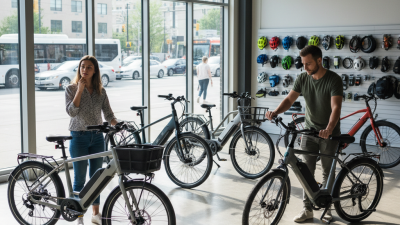
Tips: Test ride various models. Feel the differences in motor response and torque. Pay attention to how each bike feels while navigating through your usual paths. Your choice should reflect not just specifications but also your personal comfort and needs.
Comparison of Motor Power and Torque in Urban E-Bikes
Analyzing the Cost-Benefit Ratio of E-Bikes Compared to Public Transport
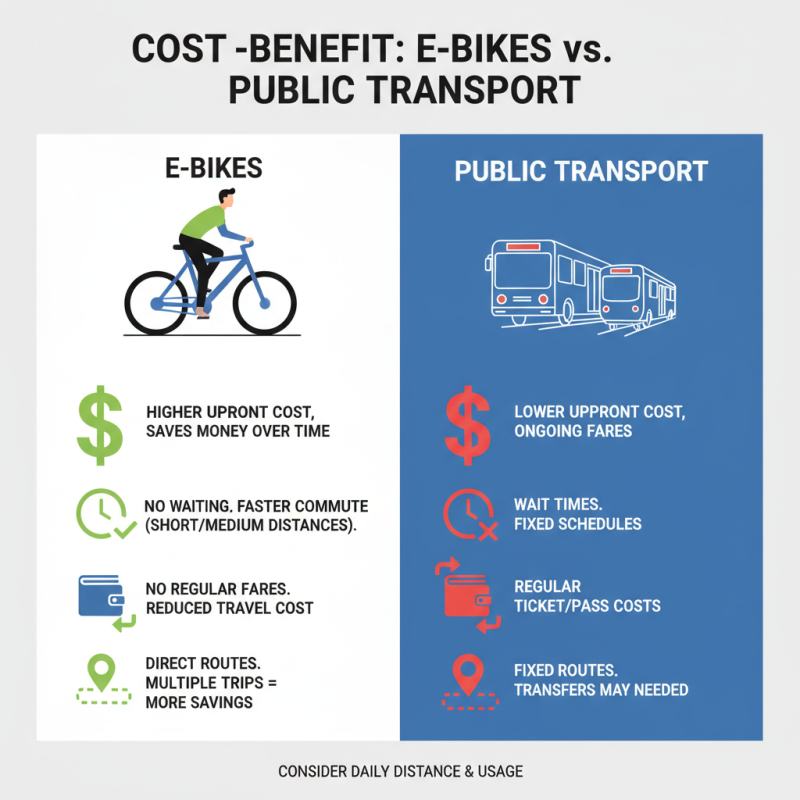
When comparing e-bikes to public transport, it’s crucial to analyze the cost-benefit ratio. E-bikes may have a higher upfront cost, but they can save money over time. Public transport often requires regular fares. Consider the distance you travel daily. An e-bike may eliminate the need for multiple tickets. You avoid waiting for buses or trains too.
Maintenance costs for e-bikes are relatively low. Routine checks and battery replacement might be all you need. Public transportation has hidden costs. Factor in missed appointments or delays caused by crowded schedules. E-bikes offer flexibility. You can choose your route and schedule. This autonomy often leads to a better commuting experience.
Some people struggle with the initial investment. A high-quality e-bike may seem costly at first glance. However, if you use it consistently, the expenses balance out. Reflect on your commuting habits. Are you ready to embrace an e-bike’s potential benefits? The decision may not be straightforward, but weighing the financial aspects can guide you.