10 Essential Tips for Choosing the Right Urban Ebike for Your Needs
Choosing the right Urban Ebike can be a daunting task. With so many options available, it's easy to feel overwhelmed. Each model offers different features, performance levels, and styling. You should consider your personal needs carefully before making a decision.
Urban Ebikes provide an efficient way to navigate city streets. They help you dodge traffic and save on parking fees. However, not every Urban Ebike is created equal. Some models excel in battery life, while others offer superior comfort or speed. It’s crucial to identify what features matter most to you.
As you explore various options, think about your daily routine. Will you be commuting long distances? Or will you use it for short errands? Reflecting on your needs can lead you to the perfect Urban Ebike. Remember, the ideal choice might require compromises. Embrace the process of finding what works best for your lifestyle.
Understanding Your Commuting Needs: Distance, Terrain, and Frequency
When choosing an urban ebike, understanding your commuting needs is crucial. Consider how far you travel daily. If your route is under five miles, a lightweight model may suffice. For longer distances, opting for a bike with a robust battery is vital. This will ensure you have the range to reach your destination without hassle.
The terrain also plays a significant role. Are your roads flat or hilly? If you encounter inclines, a bike with sturdy gears will provide a better experience. On smooth pavements, a more streamlined bike offers speed. Pay attention to the tire size; larger tires offer better stability on uneven paths, while slimmer tires excel on smooth surfaces.
Frequency of use matters too. If you plan to ride daily, invest in comfort and durability. Look for features that support regular use, such as padded seats and strong frames. Reflect on your needs; a trendy design may catch your eye, but functionality is more important. You might regret prioritizing looks over practicality when commuting becomes a chore.
10 Essential Tips for Choosing the Right Urban Ebike for Your Needs
| Feature |
Considerations |
Example Values |
| Commuting Distance |
How far will you ride daily? |
5-20 miles |
| Terrain |
What kind of roads will you travel? |
Flat, Hilly, Mixed |
| Frequency of Use |
How often will you use the eBike? |
Daily, Several times a week |
| Weight |
Consider personal strength and storage |
30-60 lbs |
| Battery Life |
Duration on full charge |
20-50 miles |
| Motor Power |
Power of the motor |
250W - 750W |
| Braking System |
Safety and performance |
Disc, V-Brake |
| Price Range |
Budget considerations |
$600 - $3000 |
| Maintenance |
Frequency and type of upkeep |
Regular checks, Occasional servicing |
| Style |
Choosing based on preference |
Hybrid, Cruiser, Folding |
Evaluating Different Types of Urban Ebikes: Features and Benefits
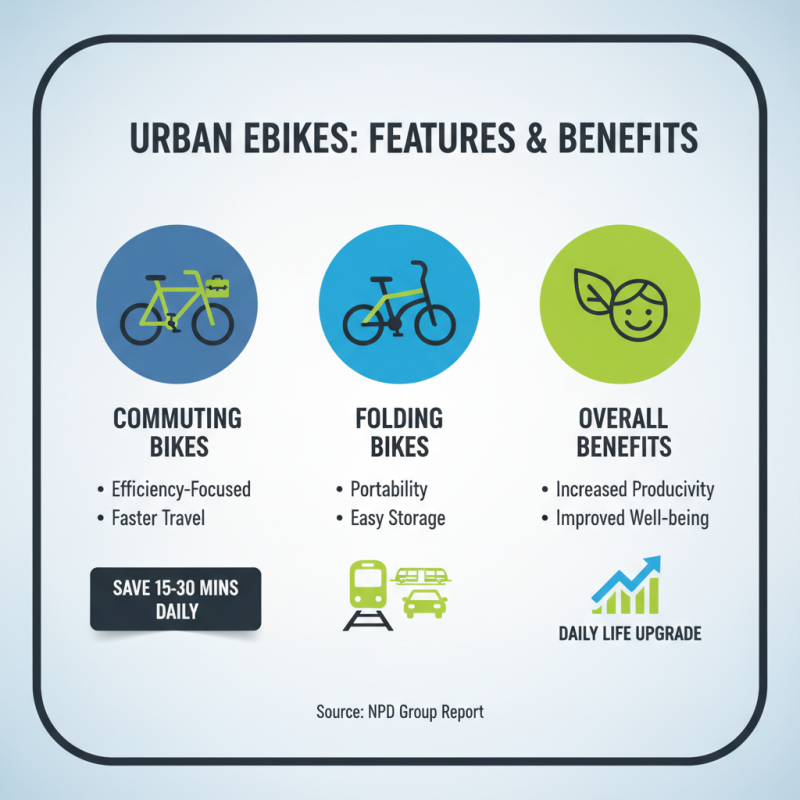
When selecting an urban ebike, understanding various types is crucial. For instance, commuting bikes focus on efficiency, while folding models offer portability. A report from the NPD Group indicates that urban ebikes can reduce commuting times by 15 to 30 minutes daily. This efficiency can lead to significant improvements in daily productivity and personal well-being.
Battery capacity is another essential feature. Most urban ebikes offer between 250 to 750 watts, impacting distance and speed. A higher wattage generally provides better hill-climbing ability. It’s important to evaluate your local terrain. If you live in a hilly area, opting for a model with more power is wise.
Tip: Test ride different models. This allows you to feel the bike's weight and responsiveness. Comfort should also be a top priority. Ensuring proper fit can prevent discomfort during rides. The right bike enhances the overall experience, making urban commuting enjoyable.
Battery Capacity and Range: Choosing the Right Power for Your Ride
When selecting the right urban e-bike, battery capacity and range are crucial factors. Many riders focus solely on style or price, ignoring the essence of power. Research indicates that a typical commuter e-bike should have a battery capacity between 400Wh and 600Wh to cover daily distances effectively. This range supports city commutes averaging 15 to 30 miles. However, some users may find their needs exceed this, particularly for longer rides or challenging terrains.
Battery range isn't just about distance. The user’s weight, terrain type, and riding conditions can all significantly affect how far you can go on a single charge. For example, riding uphill consumes more energy than on flat roads. Reports indicate that a 200-pound rider on varied terrain may see their range drop by 20% or more. Riders should consider their typical routes and topography when assessing battery requirements.
Choosing an e-bike with an appropriate battery can enhance your urban experience. Many cyclists overlook the importance of range, leading to unexpected power failures mid-commute. A battery with less capacity than needed can render an e-bike ineffective. Reflecting on your daily usage patterns is essential for making a wise decision. Not all e-bikes are created equal; careful consideration can pay off in the long run.
Considering Weight and Portability: Storage and Transport Options
When choosing an urban e-bike, weight and portability play a crucial role. According to a recent report by the Electric Bike Company, the average weight of urban e-bikes ranges between 40 to 70 pounds. These weights can impact how easy it is to transport your bike, whether it’s on public transit or in a vehicle. Heavier models might offer more durability, but they can be cumbersome for daily commuters.
Storage options are equally vital. Compact designs can help you keep your bike in tight spaces, especially in urban environments. Some e-bikes feature quick-release mechanisms, allowing for easier disassembly. A study by the Bicycle Product Suppliers Association noted that bikes designed for urban use with removable batteries often weigh less and are more user-friendly. Think about how you will store your e-bike. Consider mounting solutions, such as wall hooks or vertical racks, especially if space is limited.
Reflecting on these factors can reveal your priorities. If weight is not a concern, focus on battery life and range instead. However, if maneuverability is key, look for lighter options, even if it might compromise some features. Balancing these aspects can lead to a more satisfying e-bike experience tailored to your daily travel needs.
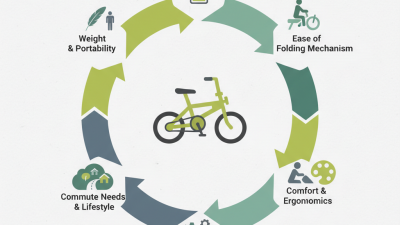
Weight and Portability Factors for Urban Ebikes
Budgeting for Your Ebike: Initial Costs and Long-Term Expenses
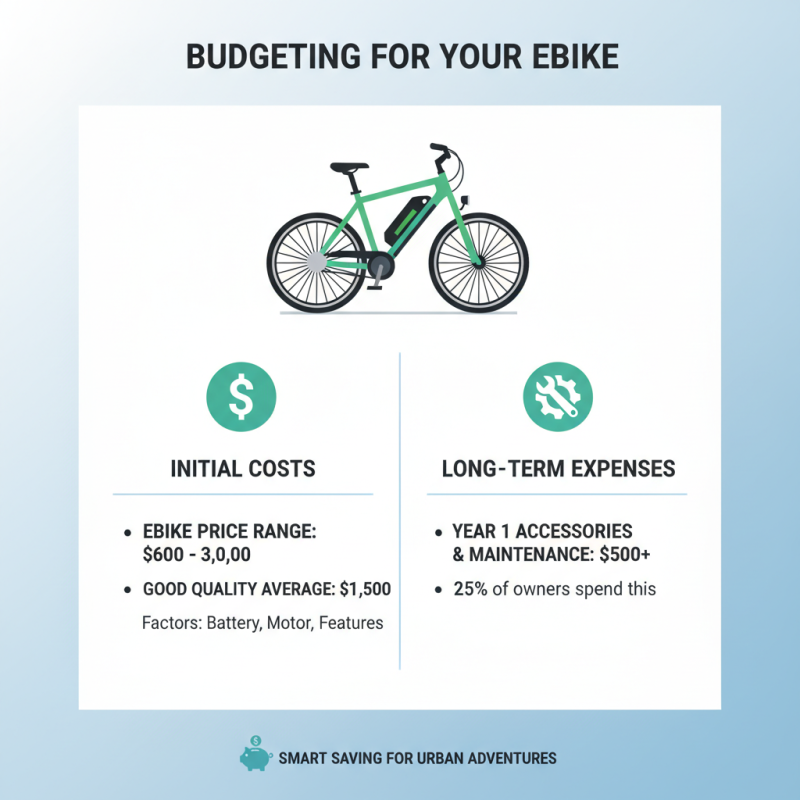
When budgeting for an urban ebike, consider both initial costs and long-term expenses. The average price for an ebike can range from $600 to $3,000. This variability comes from factors like battery life, motor power, and additional features. A good-quality ebike usually falls around $1,500. According to industry analysis, nearly 25% of ebike owners report spending over $500 on accessories and maintenance within the first year.
Long-term costs can add up quickly. Maintenance typically requires around $100 to $300 annually, depending on usage. Regular checks on the battery and brakes are necessary. Battery replacement, a significant expense, can exceed $600 after two to five years. It's crucial to account for this in your overall budget.
Unexpected repairs may arise. Setting aside a portion of your budget for these surprises is wise. Research indicates that a significant percentage of ebike users encounter issues within the first year. A realistic budget should reflect these uncertainties. Planning helps you avoid financial strain in the future.