Inquiry
Form loading...

What Is the Best Lightweight Ebike in 2026?

Choosing the best Lightweight Ebike in 2026 depends on more than the number on a scale. A useful line often attributed to cycling coach and racer John Howard is, “The bicycle is a curious vehicle. Its passenger is its engine.” That idea matters even more with an electric bike: frame weight, motor response, and rider effort work together.

Small differences can feel significant. Picture lifting a bike onto a car rack, carrying it up apartment stairs, or steering through a crowded street. A model that feels manageable on paper may feel awkward in daily use. There is no perfect answer for every rider. That is worth admitting.

This guide compares Lightweight Ebike options through practical details, not headline claims alone. It considers published bike weights, battery capacity, motor assistance, braking, fit, and the ease of charging or storing each model. Specifications can vary by frame size and equipment, so check the exact version before buying. Where hands-on testing is unavailable, that limitation should be clear; a spec sheet cannot reveal every rattle, reach issue, or hill-climbing sensation.

The goal is a well-supported shortlist for commuters and recreational riders. Some may prize a removable battery. Others may prefer a lighter frame, even with less range. Trade-offs remain. By weighing verified specifications against real-world needs, we can identify which 2026 Lightweight Ebike offers the most convincing balance—and who should consider a different one.
What Is the Best Lightweight Ebike in 2026?

Defining a Lightweight E-Bike by Complete-Bike Weight and Intended Use

What Is the Best Lightweight Ebike in 2026?

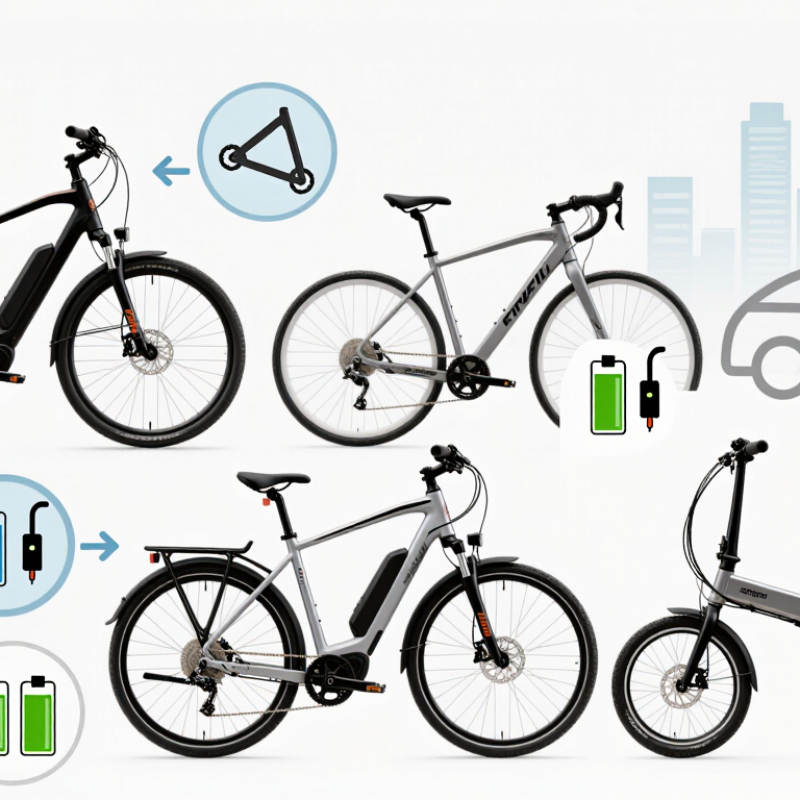
A lightweight e-bike is not defined by its frame alone. Compare the complete, ride-ready bicycle, including its battery, pedals, lights, and any fitted rack or fenders. A bare-frame figure can look impressive, then rise once everyday equipment is installed. Weigh it as you would use it.

There is no universal cutoff for “lightweight.” A practical comparison considers total mass, motor support, battery capacity, and how the bike must be handled. Carrying one up a narrow stairwell is different from rolling it into a garage. Even a few kilograms can matter when lifting the bike repeatedly. Check the stated weight carefully; some listings exclude accessories or use a different battery configuration. Small details matter.

Intended use should guide the choice. For short urban trips, a smaller battery and modest assist may keep weight down without making hills miserable. Longer commutes or steep routes can justify more capacity, though the bike will usually weigh more. Test how it feels when starting, turning slowly, and pushing it with the motor off. Not just on paper. A light build can also mean less range, fewer carrying options, or a firmer ride. That trade-off is easy to overlook. The best lightweight e-bike in 2026 is the one whose complete weight fits your routine, not simply the lowest number in an advertisement.
Comparing Motor Limits: EU 250 W/25 km/h and U.S. Class 1 at 20 mph

A lightweight e-bike should feel manageable when lifted, not merely look slim in a photograph. Motor limits matter because they shape how assistance feels on everyday rides. In the EU, a typical pedelec motor is limited to 250 W of continuous rated power and stops assisting at 25 km/h, about 15.5 mph. Assistance is tied to pedaling. The rider can go faster, but the motor no longer helps.

A U.S. Class 1 e-bike also assists only while pedaling, but its assistance cuts out at 20 mph, about 32 km/h. Class 1 describes the assistance mode and speed limit; it does not set one universal motor-watt figure. That distinction can make comparisons confusing. A higher watt number alone does not tell you how light, efficient, or capable a bike will feel on a hill.

Pay attention to the ride, not just the label. On a short test loop, try a steep block, a tight turn, and lifting the bike onto a rack. Notice whether the motor engages smoothly and whether the battery adds awkward weight near the rear wheel. Small details count. I would also check the exact regional specification before buying; listings can blur continuous and peak power. That part is easy to miss.

Evaluating Battery Capacity in Wh Against Range, Weight, and Charging Needs

A battery’s watt-hour rating is a useful starting point, not a range promise. Wh measures stored energy: voltage multiplied by amp-hours. A 500 Wh pack holds more energy than a 400 Wh pack, but the bike may also weigh more. On a lightweight ebike, that extra mass can affect carrying it upstairs or lifting it onto a rack.

Range depends on more than capacity. Rider weight, hills, wind, tire pressure, assist level, and temperature all change energy use. A flat commute with gentle assistance may stretch a charge; steep climbs and high assist can drain it quickly. Treat the maker’s range figure as a best-case estimate, and leave a practical reserve. Small detail, big difference. I would not choose a battery from one advertised number alone.

Charging needs matter, too. Check the charger’s output and estimate charging time from battery capacity, while allowing for charging losses and slower charging near full. If you travel 15 miles each way, compare that routine with realistic range estimates, not an ideal test ride. A smaller pack may suit short trips and reduce weight, but frequent charging can become tiresome. There is no perfect cutoff. Honestly, this trade-off is easy to misjudge before living with the bike.

What Is the Best Lightweight Ebike in 2026?

Battery capacity compared with estimated range, battery weight, and charging time

These are calculated comparison estimates, not measurements of specific bikes. Range assumes an average use of 15 Wh per mile; actual range varies with rider and cargo weight, terrain, assist level, speed, temperature, and tire pressure. Battery mass assumes 160 Wh/kg. Charging estimates assume a 2 A charger on a 36 V battery system, with typical charging losses and charge taper.

How to read the comparison

A 360–500 Wh battery can offer a practical balance for riders prioritizing lower battery weight and manageable charging time. Choose more capacity when longer rides or fewer charging stops matter more; choose less when a lighter setup is the priority. Compare the battery alongside the whole bike, since frame, motor, and component choices also affect total weight.

Checking E-Bike Electrical Safety Against UL 2849 and UL 2271 Standards

In 2026, the best lightweight e-bike is not simply the one that feels easiest to carry upstairs. Its electrical safety deserves equal attention. UL 2849 addresses the electrical system of an e-bike, while UL 2271 applies to batteries used in light electric vehicles. These standards examine different parts of the safety picture. A low weight alone says little about battery protection, wiring quality, or charging behavior.

Check the exact model’s documentation and look for certification details from a recognized testing organization. Do not assume a battery’s certification automatically covers the complete bike, or that a similar-looking model has the same approval. Ask whether the supplied charger is specified for that battery. Inspect the battery housing, cable connections, and charging port for damage, loose fittings, or signs of overheating. Small details matter.

A good design should make safety information easy to find, not hide it in vague sales language. Follow the manual’s charging and storage instructions, and stop using a damaged battery until it has been assessed by a qualified service professional. UL standards can provide meaningful evidence, but they cannot prevent every failure or replace careful use. I would still compare the paperwork with the bike in front of me; online descriptions can be incomplete, and that is easy to overlook.

What Is the Best Lightweight Ebike in 2026? — Checking E-Bike Electrical Safety Against UL 2849 and UL 2271 Standards
Evaluation Area What to Look For in a Lightweight E-Bike UL 2849: E-Bike Electrical System UL 2271: E-Bike Battery Practical Check
Weight and portability Compare the complete bike’s stated weight, including the battery, and consider whether the battery can be removed for carrying or storage. Does not set a maximum bicycle weight or determine whether a bike is easy to carry. Does not set a maximum bicycle weight; battery size and construction can affect total weight. Check the manufacturer’s stated weight and what is included. Lift or transport the bike in the configuration you will actually use.
Electrical-system safety Look for safety information covering the assembled e-bike system, not just an individual component. Addresses electrical-system hazards for e-bikes, including risks related to electric shock and fire. Focuses on battery-pack safety for use in light electric vehicles. Confirm that the certification record applies to the exact bicycle model and electrical-system configuration.
Battery safety Check the battery’s exact model or pack identification and whether replacement batteries are specified for the bike. Can cover the battery as part of the e-bike system when the complete system is evaluated. Evaluates battery safety for light electric vehicle applications; it is not, by itself, certification of the entire bicycle. Match the battery identification and certification details to the bike. Do not assume that a similar-looking battery is approved.
Charger compatibility Use the charger specified for the particular battery and follow the supplied charging instructions. System-level evaluation can include relevant charging and electrical-system hazards. Battery-focused; a battery certification alone does not establish that every charger is suitable for it. Check that the charger is specified for the exact battery voltage and model. Avoid unapproved replacement chargers.
Certification evidence Prefer clear documentation that identifies the tested product, model, and certification scope. Look for a traceable UL 2849 certification or listing for the relevant e-bike system. Look for a traceable UL 2271 certification or listing for the relevant battery pack. Verify the model and certification in the certifier’s official directory. A standards reference in marketing material alone is not proof of certification.
Choosing the best fit Balance low weight with intended trip length, riding conditions, fit, braking, service support, and battery-removal needs. Helps assess electrical-system safety; it does not rank a bike’s ride quality, range, or portability. Helps assess battery safety; it does not establish real-world range or overall bike quality. Choose a model-specific winner only after comparing verified specifications and safety records for the bikes available to you.

Important: UL 2849 and UL 2271 address different certification scopes. Neither standard alone identifies the lightest or “best” e-bike, and certification claims should be checked against the exact product and configuration.

Selecting the Best 2026 Lightweight E-Bike by Weight, Range, Price, and Fit

Choosing the best lightweight e-bike in 2026 means balancing weight, usable range, price, and fit—not chasing the lowest number on a spec sheet. The European Cyclists’ Federation’s technical briefing puts many pedelecs around 20–25 kg. That is still a noticeable lift up stairs. A lighter frame can help with carrying and storage, but a smaller battery may limit longer rides. Check whether the stated range reflects low assistance and flat roads; hills, cold weather, and a heavy load can reduce it. Real rides are messier.

Compare the complete bike’s weight, including battery, and look for a removable battery if you need to carry the frame indoors. For range, consider your usual route plus a buffer, rather than relying on the maximum advertised figure. Price should include practical costs such as a secure lock, lights, and routine service. Fit matters just as much: a short test ride can reveal a stretched reach, cramped knees, or awkward stopping. A bike can look perfect online and feel wrong at the curb.

Tips: Measure your storage doorway and the height you must lift the bike. Test the smallest frame that feels comfortable, then check battery removal and brake reach. Ask the retailer how range was measured. If the answer is vague, be cautious.