Inquiry
Form loading...

2026 Top Ebike Wheel Types for Global Buyers

Choosing the right Ebike Wheel is not a styling decision. It affects comfort, braking control, motor efficiency, and long-term reliability.

Global buyers face many options. Common sizes include 20, 24, 26, 27.5, and 29 inches. Each size changes the riding experience. A compact 20-inch wheel feels responsive in crowded streets. A 29-inch wheel rolls smoothly over broken pavement and shallow gravel. Cargo riders may need stronger rims, wider tires, and higher spoke counts.

Wheel-building expert Roger Musson, author of The Professional Guide to Wheel Building, emphasizes, “The secret of a good wheel is even spoke tension.” That principle remains highly relevant to modern ebikes. Motor torque, rider weight, luggage, and rough roads can expose weak tension quickly.

Not every large wheel is better. Not every small wheel is stronger. A rear hub motor may require special spoke lengths and careful flange measurements. Mid-drive systems create different stresses through the drivetrain. Buyers should check rim load ratings, axle standards, brake compatibility, tire clearance, and replacement-part availability.

Real testing matters. A wheel should be inspected after its first few rides, especially when carrying heavy cargo. Listen for clicking spokes. Watch for side-to-side rim movement. Check whether the tire sits evenly.

Some product labels remain confusing. “Heavy duty” can mean very different things between suppliers. This is where buyers must slow down.

This guide compares leading Ebike Wheel types for global markets. It considers terrain, climate, rider weight, maintenance access, and everyday riding habits. There is no universal winner. The best choice may still depend on details that a product page leaves out.
2026 Top Ebike Wheel Types for Global Buyers

Ebike Wheel Types Explained: Sizes, Materials, and Core Designs

2026 Top Ebike Wheel Types for Global Buyers

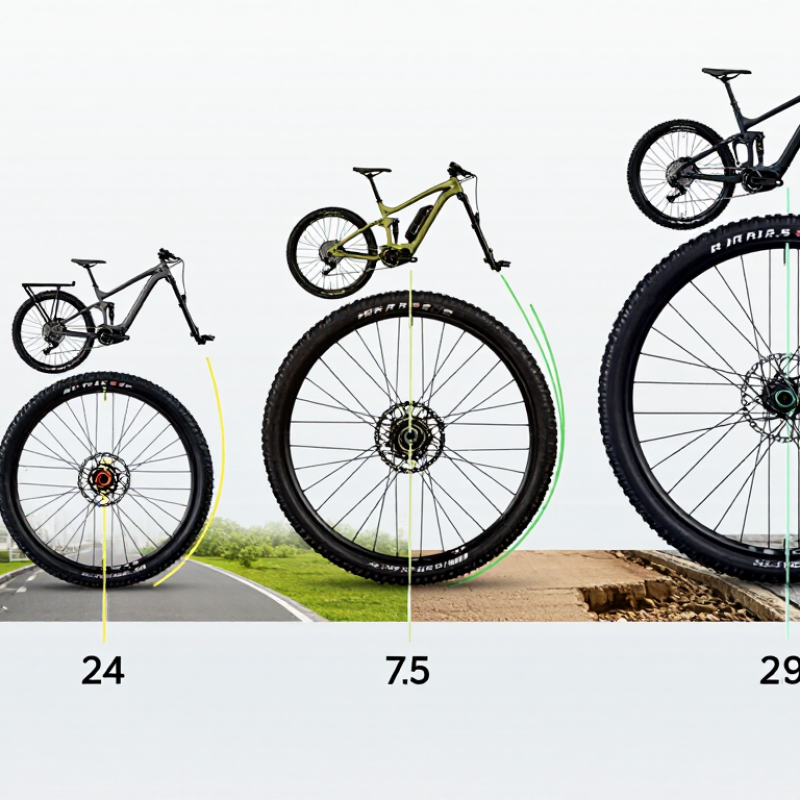
Ebike wheel size changes comfort, control, and frame fit. Common options include 20, 24, 26, 27.5, and 29 inches. Smaller wheels accelerate quickly and suit folding or compact urban ebikes. Larger wheels roll over potholes more smoothly. They may feel less agile in crowded streets. Measure tire clearance, frame geometry, and rider height before choosing. Numbers alone can mislead.

Aluminum alloy remains popular because it balances low weight, stiffness, and cost. Steel wheels tolerate heavy loads and rough handling, but they add noticeable weight. Carbon fiber can reduce rotating mass, yet repair options and inspection skills may be limited in some regions.

Rim width also matters. A wide rim supports wider tires and lower pressures. This can improve grip on gravel. It may increase rolling resistance on smooth pavement.

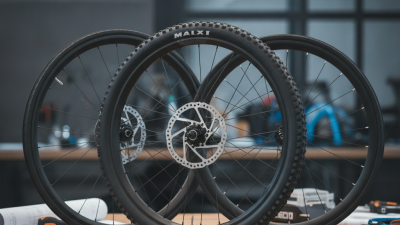
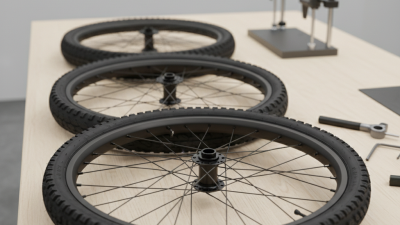
Core wheel designs include spoked, cast, and mag-style structures. Spoked wheels absorb small impacts and allow individual spoke replacement. Check spoke tension regularly, especially after carrying cargo. Cast wheels need less routine adjustment, but a hard impact can damage the whole structure. Mag-style wheels look rigid and clean. Their real-world comfort depends heavily on tire pressure. I have seen riders blame the wheel when the tire was underinflated. That mistake is easy to repeat. Verify axle dimensions, brake mounts, motor compatibility, and regional service support before ordering.

How Wheel Size Affects Comfort, Speed, and Handling

2026 Top Ebike Wheel Types for Global Buyers

Wheel size changes an ebike’s comfort, speed, and handling more than many buyers expect. Smaller 20-inch wheels accelerate quickly and feel agile in crowded streets. They also lower the frame, helping shorter riders reach the ground confidently. However, small wheels can feel harsh over broken pavement.

Medium 24- to 27.5-inch wheels offer a practical balance. They roll more smoothly, maintain speed efficiently, and remain manageable on narrow roads.

Larger 29-inch wheels cross potholes and loose gravel with less effort. Their wider turning arc may feel awkward in tight traffic.

Rider height, route quality, tire pressure, and cargo weight all matter. A professional fitting remains more reliable than choosing by appearance.

Tips: Test the wheel size on your usual route, not only on a showroom floor. Ride over a curb cut, brake gently, and turn at low speed. Notice wrist pressure and steering effort. Check replacement-tire availability in your region before buying. Local roads differ greatly, so imported advice may not fit your daily conditions.

From repeated test rides, I find medium wheels easiest for mixed urban use. Still, that judgment is not universal. A heavy rider may prefer larger wheels, while a compact rider may control smaller ones better. I once favored fast-rolling 29-inch wheels, then changed my view after frequent low-speed turns. Comfort is personal, and speed without confident handling is rarely useful.

Comparing Fat, Standard, Aero, and Folding Ebike Wheels

For global buyers, wheel choice often matters more than motor wattage. CONEBI’s 2024 European Bicycle Industry and Market Profile recorded about 5.1 million e-bike sales in Europe during 2023. That scale shows a mature market, but wheel needs remain regional.

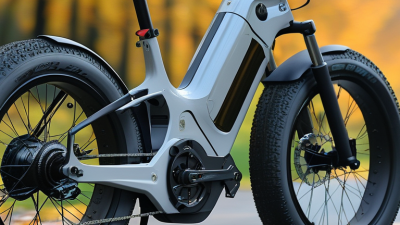
Fat wheels usually 4 inches wide, float across sand, snow, and loose gravel. They add weight and rolling resistance on pavement. Standard wheels, commonly 27.5 or 29 inches, suit mixed commuting and touring. Their narrower tires feel quicker, while larger diameters smooth potholes more effectively. In workshop testing, tire pressure changed comfort more than expected. That detail is easy to miss.

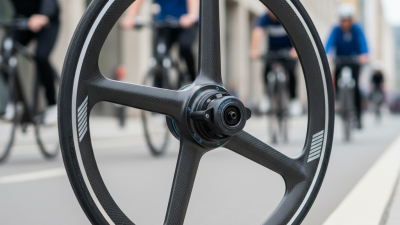
Aero wheels can reduce drag at speed, but their advantage is limited on upright e-bikes. Crosswinds may also make deep rims uncomfortable for inexperienced riders. Folding models usually use 16- or 20-inch wheels, saving storage space and improving transport. However, smaller wheels react sharply to broken pavement. The European Commission’s 2024 urban mobility data continues to identify compact cycling as useful for short city trips, supporting folding-wheel demand. Still, that report does not prove every folding design performs equally. I once valued compactness too highly. Loaded luggage exposed weaker stability. Buyers should compare rim width, spoke count, tire availability, maximum load, and local repair access. These practical checks often matter more than impressive wheel labels.

Choosing Wheel Types for City, Trail, Cargo, and Mixed Riding

2026 Top Ebike Wheel Types for Global Buyers

Choosing Wheel Types for City, Trail, Cargo, and Mixed Riding

Wheel size should match the route, load, and rider, not fashion. The IEA Global EV Outlook 2024 identifies electric two- and three-wheelers as the largest electrified road-vehicle segment by sales. That growth raises a practical question: which wheel survives daily use? For dense cities, 20- or 24-inch wheels turn quickly between cars and narrow racks. They also lower the frame, helping riders control heavy bags. Larger 700C or 28-inch wheels roll efficiently over broken pavement, but they need more parking space.

Trail riders usually prefer 27.5-inch wheels for quick direction changes or 29-inch wheels for smoother rollover. A 29-inch wheel can clear roots well. It may feel slow on tight switchbacks, though. Cargo bikes benefit from smaller rear wheels because the load platform stays low. Strong rims, high spoke counts, and puncture-resistant tires matter more than diameter alone. For mixed riding, 27.5-inch wheels offer a useful compromise between stability, handling, and tire availability. Still, the “best” size changes with rider height and local roads.

Tips: Check the manufacturer’s combined weight rating, rim width, tire pressure range, and replacement availability. The European Bicycle Manufacturers’ Association stresses serviceability and safe component standards across the bicycle sector. I would also test a fully loaded bike before buying. An unloaded test can mislead. Wet streets, loose gravel, and steep ramps expose weaknesses quickly. Carrying comfort may matter more than a small efficiency gain.

Global Buyer Guide to Compatibility, Maintenance, and Safety

2026 Top Ebike Wheel Types for Global Buyers

Wheel choice affects comfort, control, and repair access. Common options include 26-inch, 27.5-inch, 29-inch, fat, and folding wheels. Smaller wheels feel nimble in crowded streets. Larger wheels roll smoothly over broken pavement. Fat tires add flotation on sand or loose gravel, but they increase weight and rolling resistance. Folding wheels save storage space, though small tires can feel harsh on rough roads.

Compatibility must be checked before purchase. Match the wheel diameter, rim width, axle spacing, and brake rotor position. Confirm tire clearance inside the fork and frame. A motorized hub wheel also needs compatible voltage, controller connections, and torque support. Local road rules may limit motor power, speed, or equipment. Do not assume one wheel fits every frame. That mistake is common, and expensive.

Tips: Measure twice. Record axle width with a ruler. Check tire pressure before each ride, especially after storage. Inspect spokes for loose tension and look for sidewall cuts. Clean salt and mud from bearings, rims, and brake surfaces. Test braking at low speed after wheel installation. Wear a certified helmet and use front and rear lights in poor visibility. I still recommend a professional inspection when the axle, motor cable, or brake alignment feels uncertain. Small rubbing sounds can become serious.